
The Public Grocery Playbook: Key Takeaways for City Leaders
The webinar, “The Public Grocery Playbook: What City Leaders Need to Know,” convened municipal officials from Atlanta, Chicago, and New York City to share what they are learning as they build, plan, and pilot some of the first municipally supported grocery stores in the country.

When the private market fails to deliver fresh, affordable food to the communities that need it most, local government has to step in. That was the shared conviction behind a recent conversation hosted by HR&A Advisors, the Mayors Innovation Project, Mayors for America, and Local Progress Impact Lab. The webinar, “The Public Grocery Playbook: What City Leaders Need to Know,” convened municipal officials from Atlanta, Chicago, and New York City to share what they are learning as they build, plan, and pilot some of the first municipally supported grocery stores in the country. Nearly 150 people tuned in, from city officials in more than 20 cities across the country to researchers, philanthropists, architects, advocates, and journalists, a signal of the appetite for practical guidance on what was, until recently, a largely untested idea.
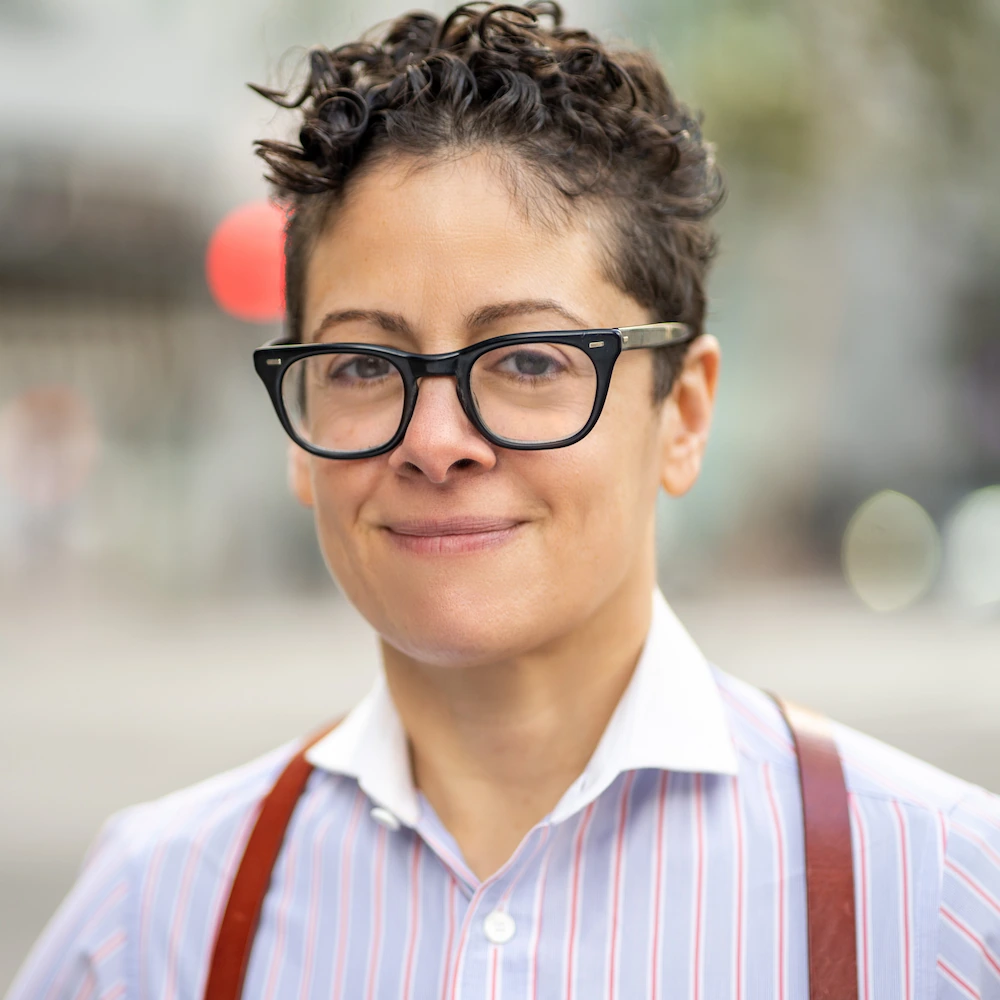
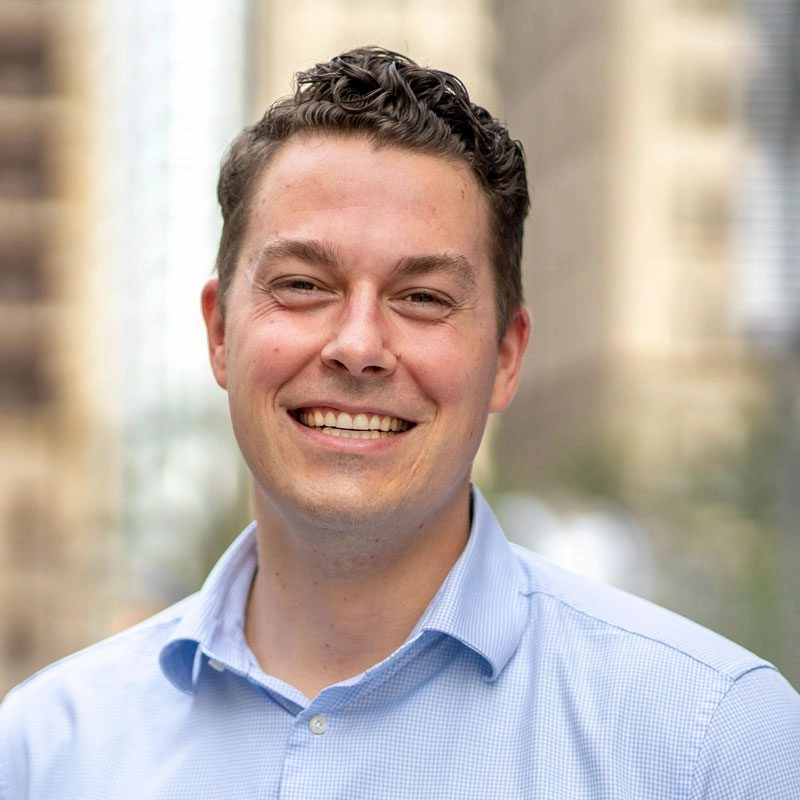
Andrea Batista Schlesinger, Managing Partner at HR&A, moderated the conversation alongside Katya Spear, Managing Director of the Mayors Innovation Project. Katie Molla, Deputy Chief of Staff for the City of Atlanta; Deandra Khan, Senior Advisor for Strategic Initiatives to the Deputy Mayor for Economic Justice in New York City; Max Budovitch, Deputy Mayor for Business, Economic, and Neighborhood Development in Chicago; and Ivan Luevanos, Executive Director of Local Progress Impact Lab, shared experience from cities actively designing and opening public grocery options. Here are three things they want other leaders to know.
Watch the webinar recording here.
Start with the Problem
Before a city can decide how to build a public grocery store, it needs to be clear on what problem it is trying to solve. That answer shapes where stores go, what operating model they use, and what success looks like.
For Atlanta, the driver was availability: entire corridors of the city had no access to healthy food. Even after the City offered free land, built-out spaces, and subsidized operating losses, major grocers declined to locate in these corridors. Panelists described this pattern, in which private grocers abandon low-income communities in favor of higher-margin markets, as “supermarket redlining.” The City responded by issuing an RFP for a private operator to run the store, while providing the land, the lease, and ongoing operating subsidies to make it financially viable in neighborhoods private grocers were otherwise unwilling to locate in. Azalea Market is now open in downtown Atlanta, with a second location expected by end of Q3.
For New York City, the driver is affordability. Grocery prices in the New York area have risen 5.9% over the past 12 months, more than double the national rate, and the burden falls hardest in neighborhoods where most residents cannot cover basic expenses. In East Harlem, 59% of households cannot afford their basic needs; in Hunts Point in the South Bronx, that figure is 77%. To address that, the City is targeting its first two stores in those neighborhoods, using City-owned land to remove rent and property taxes from operators’ costs, with contracts that require those savings to flow directly to shoppers.
For Chicago, the City convened its Food Equity Council, a standing body hosted from the mayor’s office, to work with community members and food ecosystem stakeholders to identify the key challenges. This engagement generated a clearer picture of Chicago’s specific gaps: food access that is uneven across neighborhoods and largely seasonal, with a robust summer farmers market ecosystem that largely disappears in winter, leaving many residents without consistent access to fresh food year-round. From those conversations, the City developed a public market concept designed to provide year-round food access, support small food entrepreneurs, and flex to meet the broader needs community members had named.
Assess and Leverage Existing Assets
Before a city decides how to build a public grocery store, it should take stock of what assets already exist. Identifying those assets early helps determine what kind of store is possible, how it gets financed, and whether it can be sustained over time.
New York is leveraging City-owned land. By placing stores on public land and waiving rent and property taxes, the City removes the largest cost drivers in grocery economics. The City then requires operators to pass those savings directly to shoppers.
Atlanta is leveraging its economic development tools. Through its local economic development authority, city reserves, and tax financing, the City assembled a financing package that covered the cost of building out the store, subsidized operating losses during the early years, and provided a lease. As part of that deal, the City also helped bring the private operator into the Independent Grocers Alliance, a national network that gives independent grocery stores access to the same bulk purchasing and distribution pricing that major chains use, helping keep the store’s costs, and therefore its prices, competitive.
Chicago is leveraging the food infrastructure that community members had already built. When the City began exploring a public grocery model, the Food Equity Council’s engagement process revealed that the community had already created valuable infrastructure of its own: co-ops, farmers markets, small food entrepreneurs, and community-run food access points. Rather than starting from scratch, the City asked how it could strengthen and expand what already existed. The result is the public market concept, designed to make those community-built spaces permanent and year-round, create room for small food entrepreneurs to grow, and bring city programming resources into spaces the community had already built.
Think Beyond the Store
A public grocery store is also a public space, often located in neighborhoods where public space is otherwise scarce. The cities on this panel are actively thinking and designing around that opportunity.
New York’s La Marqueta site in East Harlem illustrates the potential. The location already hosts small local business stalls, a community kitchen, and a garden. New York is designing around that existing infrastructure, exploring how the space can connect residents to city benefits and services they may not otherwise know how to access.
Chicago has built programming directly into its model. The mayor’s office already runs an extensive community engagement and event planning operation that spans a range of community needs, but the challenge has always been finding the right physical spaces to deploy it. The Market City concept is intended to serve as a network of market spaces that permanently house this programming: places where residents can access SNAP enrollment, connect with small business resources, and participate in youth and community programming, all alongside food access.
*****
Not every city is ready to break ground, but there is no shortage of work to do in the meantime. Cities can start by naming the problem publicly, as Milwaukee County did when it declared food apartheid a public health emergency. They can take stock of what assets they already hold, including land, tax tools, and relationships with healthcare systems, school districts, and foundations that could anchor or fund a future effort. As Local Progress Impact Lab pointed out, philanthropies are looking for ways to meet the evolving needs of communities, and HR&A proposed that they create a fund that would partner with cities to study and launch public grocery projects. And finally, cities can make food access a consistent thread in how they talk about affordability and economic opportunity, building the political conditions for action long before a single store is built. The need, as panelists made clear, is only growing. And the cities moving fastest will be the ones that started laying the groundwork long before they broke ground.
*****
HR&A Advisors works with cities and their partners to design, finance, and implement public options, from grocery stores and public banks to broadband and beyond. If your city is exploring a public grocery model and would like to connect, reach out to info@hraadvisors.com to schedule a consultation.
