What Growth Demands Next: Notes from Houston

Texas cities, including Houston, have powered the state’s rapid growth. But growth hasn’t insulated them from economic uncertainty, technological change, rising housing and energy costs, climate risk, and fiscal pressure. These forces are deepening inequity and leaving leaders with fewer tools to respond. As one of the country’s fastest growing, most diverse cities, Houston is a preview of what’s ahead for cities across Texas and the United States.
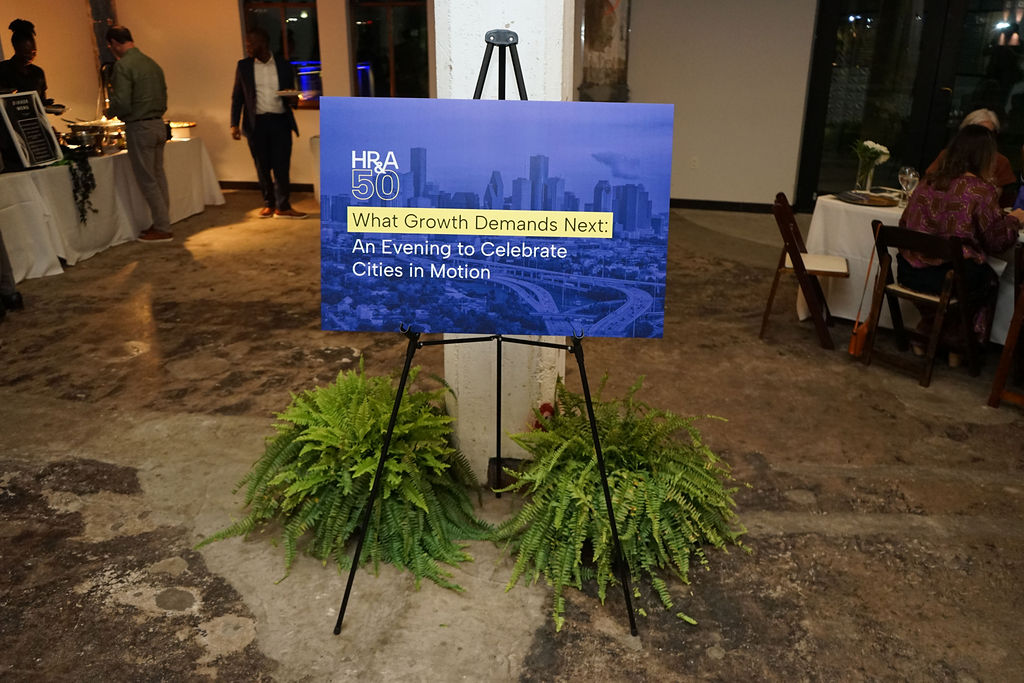
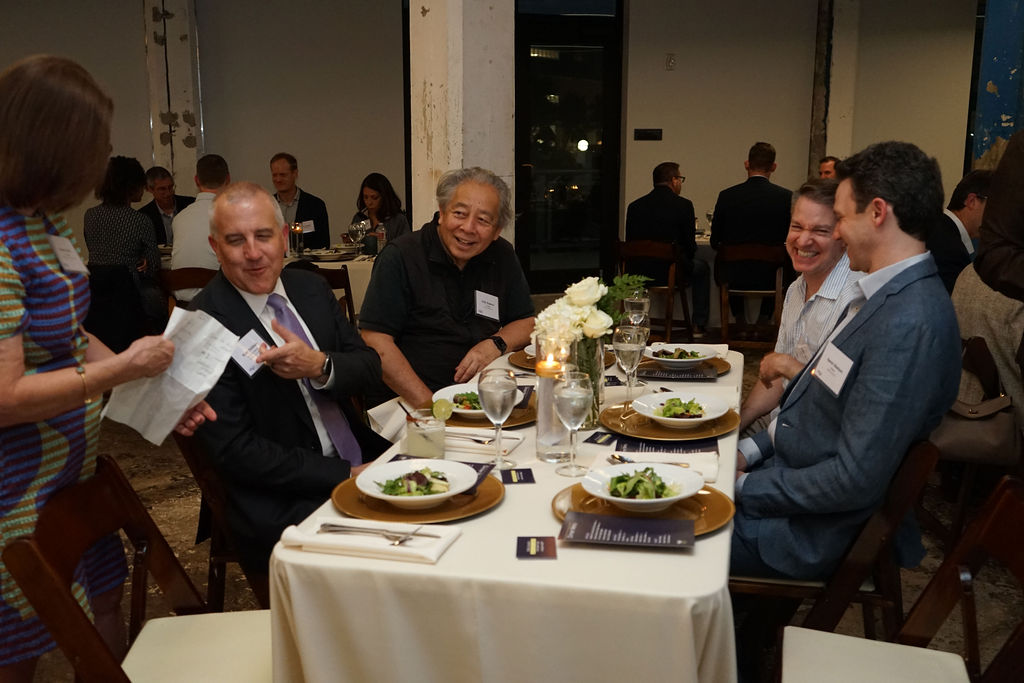
On October 7, HR&A hosted a dinner at the Sunset Coffee Building along Buffalo Bayou. Guests included leaders from city and county government, parks and housing nonprofits, philanthropy, and real estate who are shaping how Houston plans for what’s next. Houston is familiar ground for HR&A: we led development of the investment framework and master plan for Buffalo Bayou East, extending Buffalo Bayou Partnership’s parks and trails into the Second and Fifth Wards, and we are currently studying the benefits of the Bayou Greenways network for the Houston Parks Board. HR&A is also working with the City of Houston and Harris County on the Houston-Harris County Housing Plan, a joint regional strategy, and has built tools for both governments to evaluate property tax exemptions for multifamily housing. Since 2019, HR&A has also advised New Hope Housing, one of Houston’s leading supportive housing developers, on its strategic plan and site selection.
The evening was part of Cities in Motion, HR&A’s 50th-anniversary series.

Three themes drew the most discussion:
- Houston’s Growth Has Outpaced Its Governance: Rapid expansion has strained the fiscal and political relationships between the City of Houston and the unincorporated areas that surround it. Over decades, the City annexed commercial corridors along major highways to capture their sales tax revenue, while unincorporated communities absorb more of the costs of growth with fewer tools to manage it. The result, as one guest put it, is a city that looks like a spider web on a map: strategic reach without a matching framework for who is responsible for what. Guests saw untangling this picture, and clarifying the fiscal relationship between the City, Harris County, and surrounding jurisdictions, as a prerequisite for Houston’s next phase of growth.
- Public-Philanthropy Partnerships Require the Pre-Conditions for the Public Sector to be an Effective Partner: The dinner surfaced a recurring tension in deals that pair public institutions with philanthropic funders on public benefit projects. In Houston, as elsewhere in Texas and the country, philanthropy favors upfront, tangible, capital gifts, expecting the public partner to provide long-term operating support. In other parts of Texas and elsewhere, resource-constrained cities never deliver the expected level of service, particularly when other civic partners, e.g. downtown business improvement districts (BIDs) appear capable. Houston philanthropy has taken an unusually proactive and sophisticated approach – setting expectations early and drafting contracts with clear responsibilities and ownership, including with designated sources of operating funding. It remains the case, however, that as public sector leadership transitions and resources remain constrained these agreements will be difficult to enforce, politically if not legally, and other civic institutions will be tapped to make up the difference. Effective public-private-philanthropic partnerships require all the partners to be resourced in order to act as partners.
- Houston’s Affordability Advantage Is Narrowing: Houston’s diversity and its deep bench of educated workers have long been supported by its affordability relative to other major U.S. metros. That advantage is narrowing. As housing costs rise, residents are pushed farther from the urban core to find homes they can afford, straining transportation, job access, and public services. The joint housing plan is wrestling directly with this tension: how to keep growth inclusive before outward expansion becomes its own constraint on the region’s competitiveness.
Ian Rosenberg, Senior Vice President at Buffalo Bayou Partnership, set the tone for the evening: “Listening and thinking about real estate differently is what HR&A does so well.” Our thanks to Buffalo Bayou Partnership for welcoming us to the bayou.
Gallery